
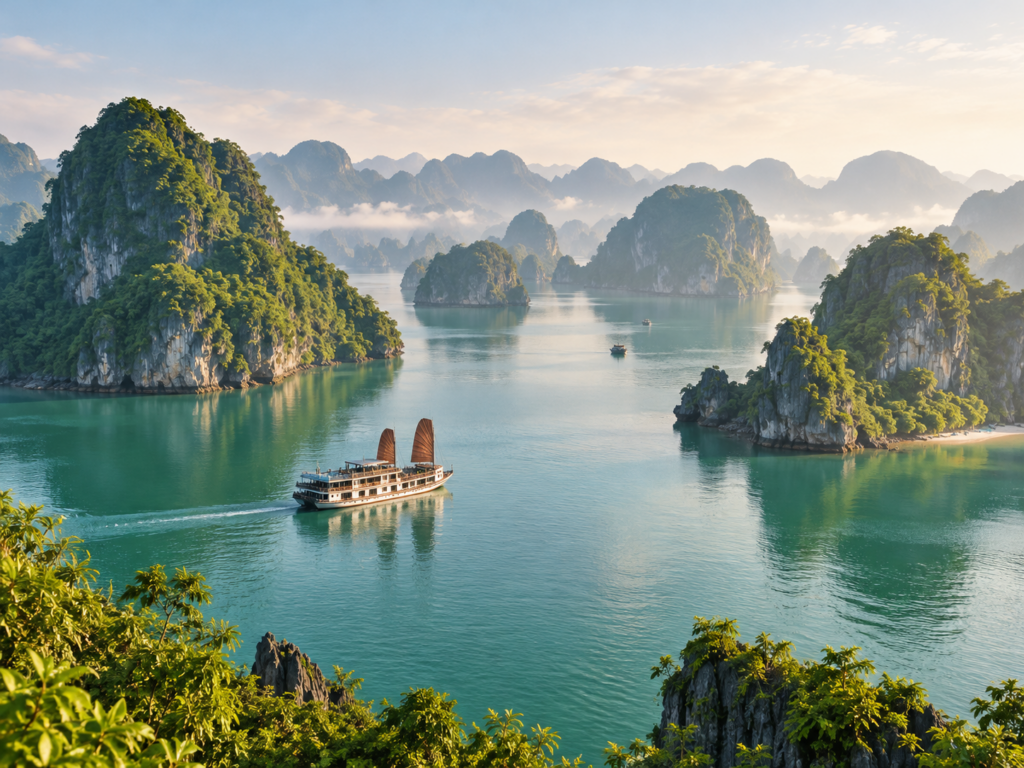
1. Ha Long Bay – Cat Ba Archipelago
UNESCO Natural World Heritage Site | 1994, extended 2023
Thousands of limestone islands rise from emerald waters, creating one of Vietnam’s most iconic landscapes.
An overnight cruise offers the opportunity to explore hidden lagoons, kayak through peaceful waterways, and watch the sunrise over the bay.
Oriva’s Tip: Choose a quieter cruise route for a more intimate experience of this extraordinary seascape.
2. Trang An Landscape Complex – Ninh Binh
UNESCO Mixed World Heritage Site | 2014
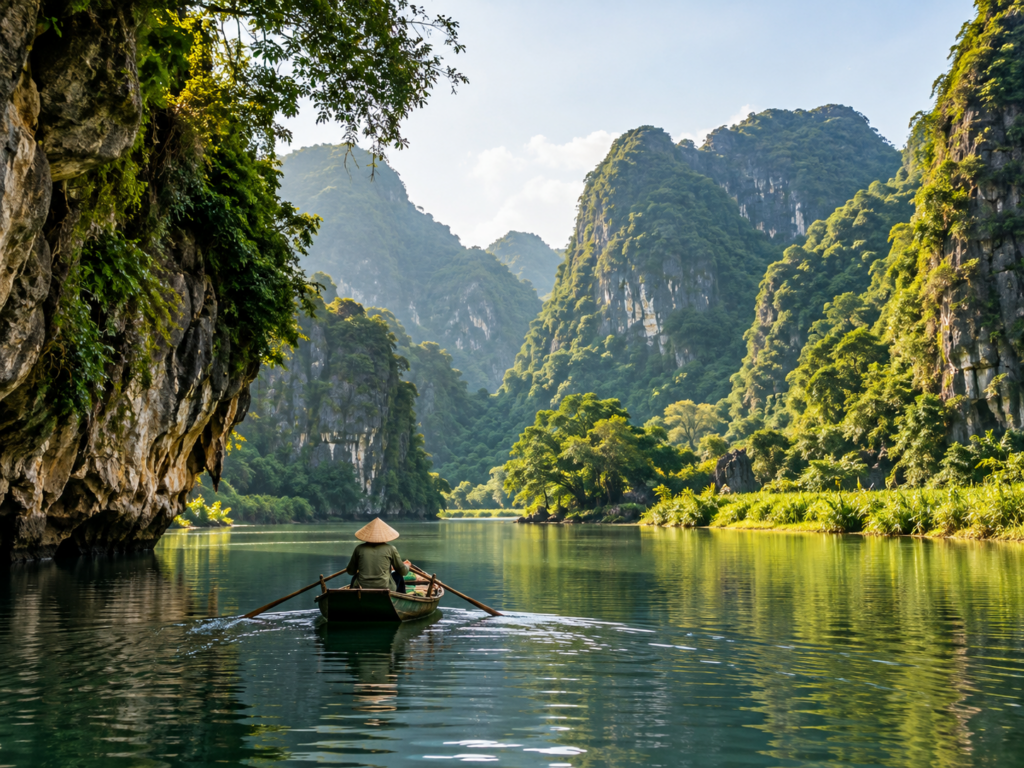
Often described as “Ha Long Bay on Land,” Trang An combines dramatic limestone mountains, winding rivers, and ancient cultural sites.
Glide through natural caves on a traditional sampan, discover the historic temples of Hoa Lu, or cycle through the surrounding countryside.
Oriva’s Tip: Visit early in the morning to experience the landscape at its most peaceful.
3. Phong Nha-Ke Bang National Park – Central Vietnam
UNESCO Natural World Heritage Site | 2003, extended 2025
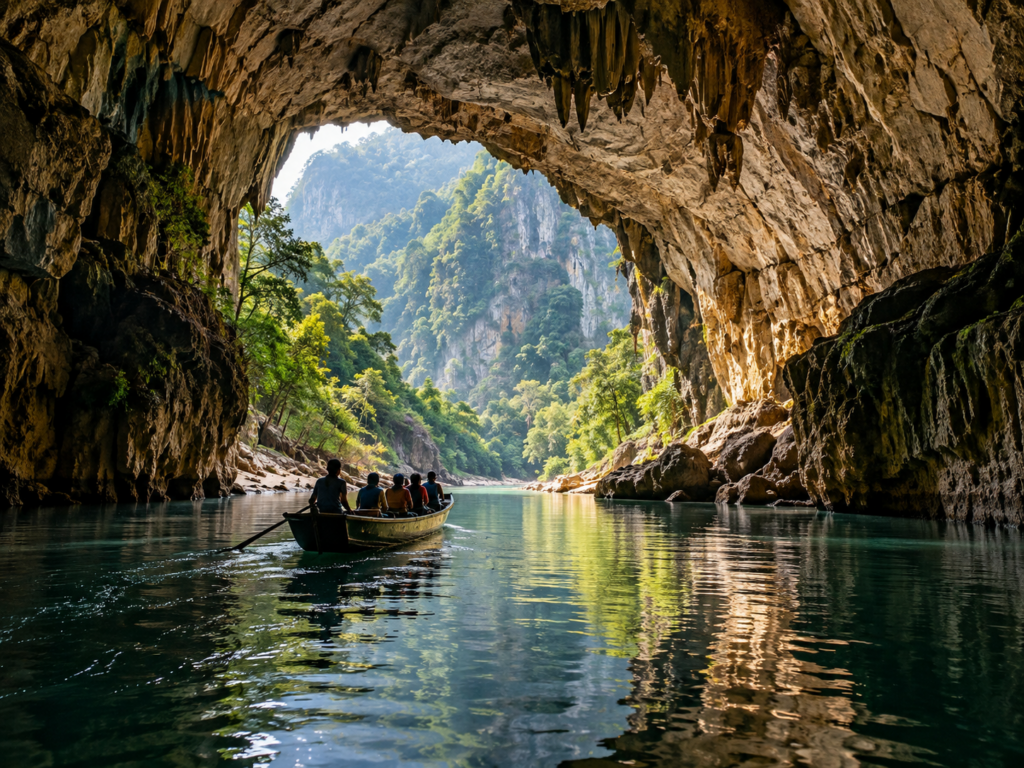
Home to ancient limestone formations and spectacular underground rivers, Phong Nha-Ke Bang reveals a remarkable world beneath Vietnam’s mountains.
The region is renowned for its magnificent caves, including Son Doong, the world’s largest known cave passage by volume.
In 2025, UNESCO extended the site to include Hin Nam No National Park in neighboring Laos.
Oriva’s Tip: Spend at least two days exploring the caves, forests, and surrounding villages.
4. Complex of Hue Monuments – Hue
UNESCO Cultural World Heritage Site | 1993
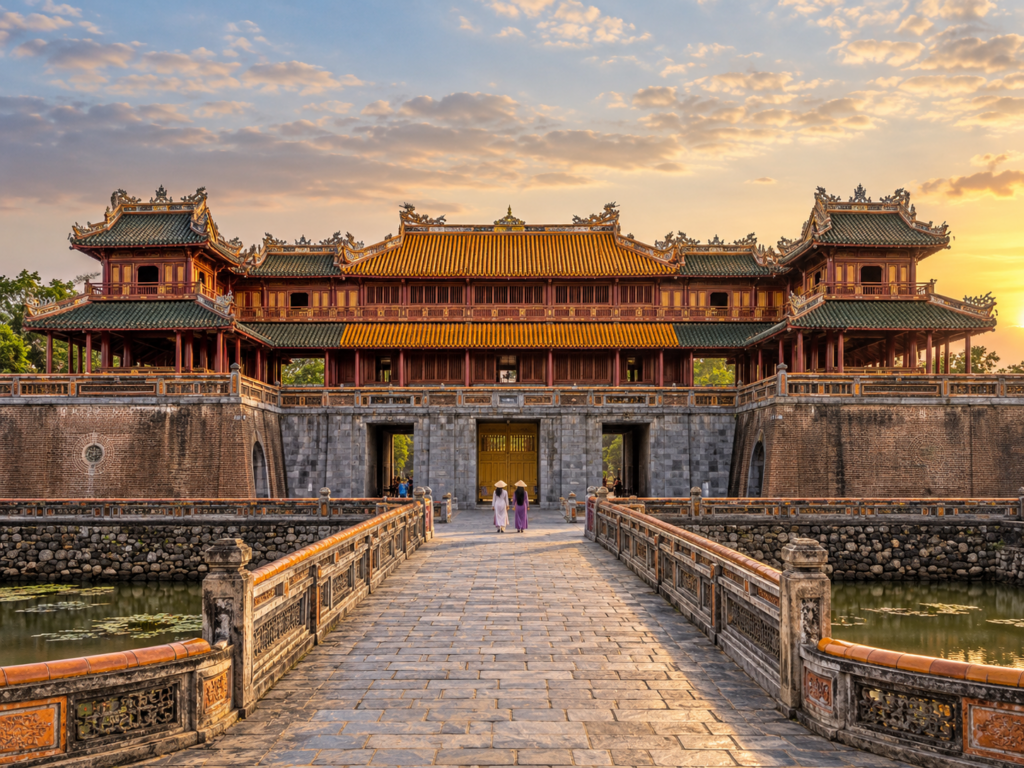
Once the capital of the Nguyen Dynasty, Hue preserves an extraordinary collection of imperial palaces, royal tombs, temples, and historic monuments.
The Imperial City stands at the heart of this heritage, offering a fascinating glimpse into Vietnam’s royal past.
Oriva’s Tip: Explore the royal tombs and discover the peaceful atmosphere along the Perfume River.
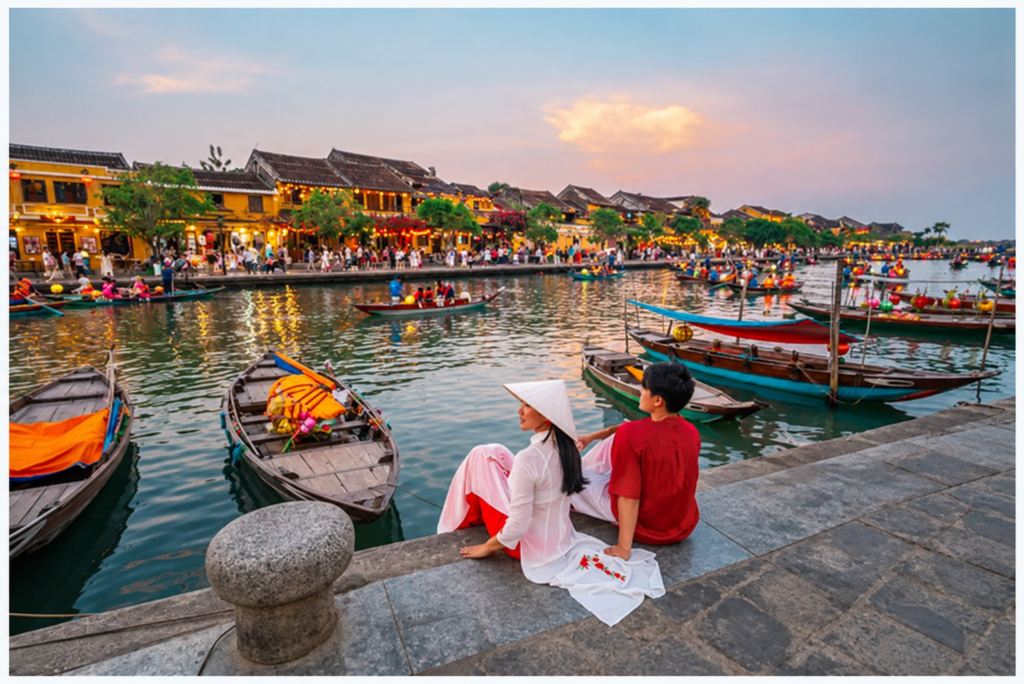
5. Hoi An Ancient Town – Hoi An
UNESCO Cultural World Heritage Site | 1999
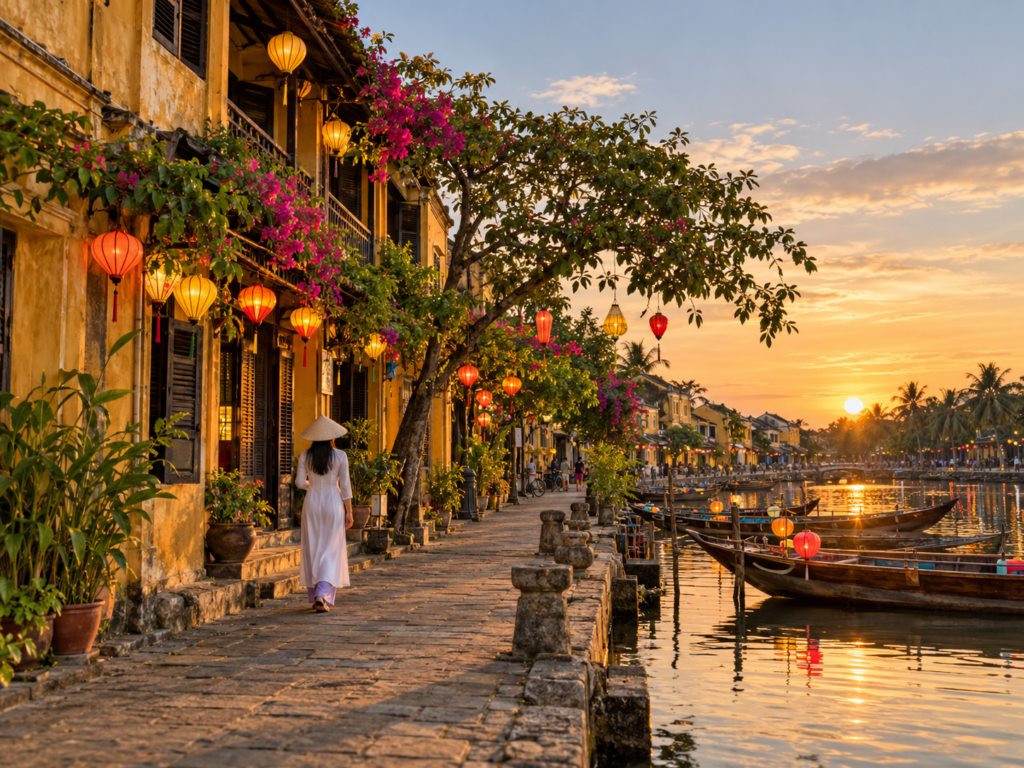
With its lantern-lit streets, traditional merchant houses, and riverside charm, Hoi An beautifully reflects centuries of cultural exchange.
Once a thriving international trading port, the town retains influences from Vietnamese, Chinese, Japanese, and European communities.
Oriva’s Tip: Wander through the Ancient Town at sunrise, when local life unfolds before the crowds arrive.
6. My Son Sanctuary – Central Vietnam
UNESCO Cultural World Heritage Site | 1999
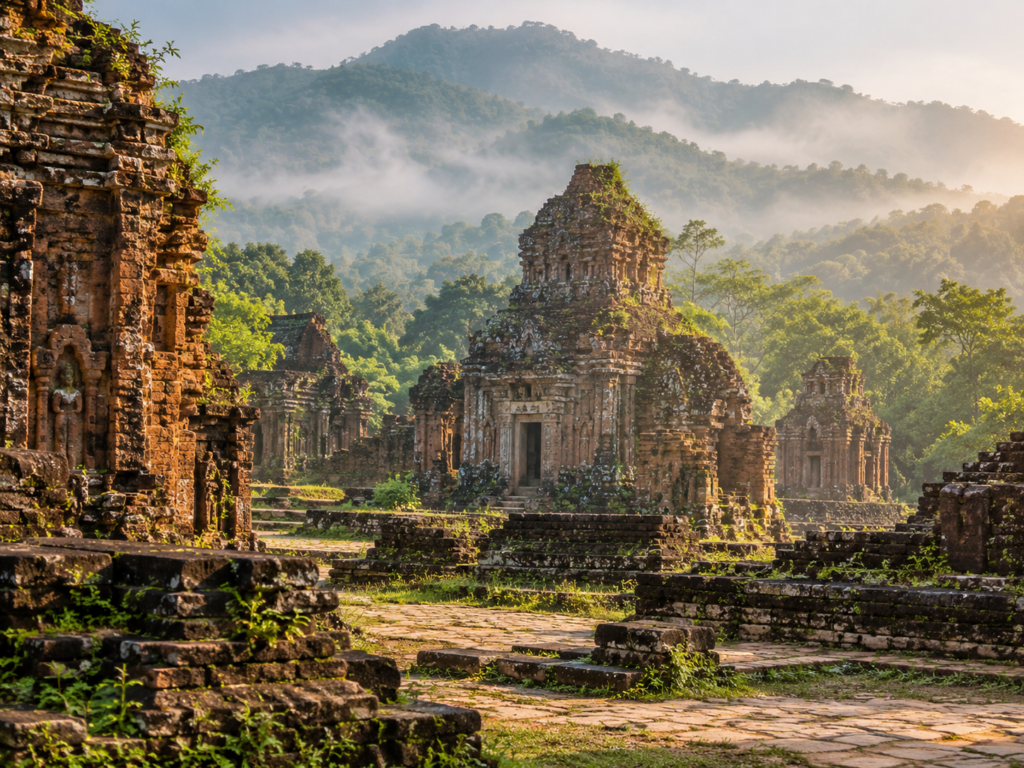
Hidden within a lush valley, My Son Sanctuary preserves the remains of ancient Hindu temples built by the Champa civilization between the 4th and 13th centuries.
Its distinctive brick architecture and spiritual significance offer a fascinating insight into an important chapter of Vietnam’s history.
Oriva’s Tip: Visit early in the morning for cooler temperatures and softer light among the ancient ruins.
7. Central Sector of the Imperial Citadel of Thang Long – Hanoi
UNESCO Cultural World Heritage Site | 2010
Located in the heart of Hanoi, the Imperial Citadel of Thang Long reflects more than a thousand years of Vietnamese political and cultural history.
Archaeological remains, ancient foundations, and historic structures reveal the evolution of Vietnam’s imperial capital through successive dynasties.
Oriva’s Tip: Combine your visit with Hanoi’s Temple of Literature to explore the city’s rich intellectual and royal heritage.

8. Citadel of the Ho Dynasty – Thanh Hoa
UNESCO Cultural World Heritage Site | 2011
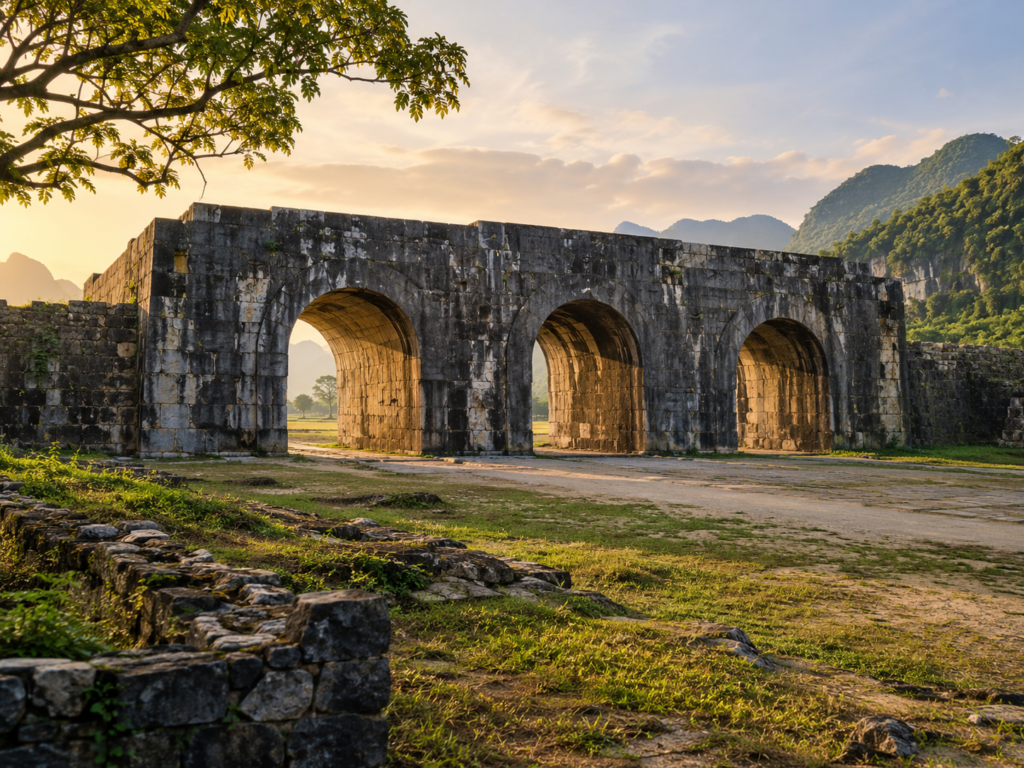
Built in the late 14th century, the Citadel of the Ho Dynasty is an impressive example of Vietnamese stone architecture.
Its massive limestone walls and sophisticated construction techniques demonstrate the engineering achievements of the period.
Surrounded by a peaceful rural landscape, the citadel offers a quieter encounter with Vietnam’s medieval history.
Oriva’s Tip: Explore the surrounding villages and countryside to appreciate the historical setting beyond the ancient walls.
9. Yen Tu – Vinh Nghiem – Con Son, Kiep Bac Complex
UNESCO Cultural World Heritage Site | 2025
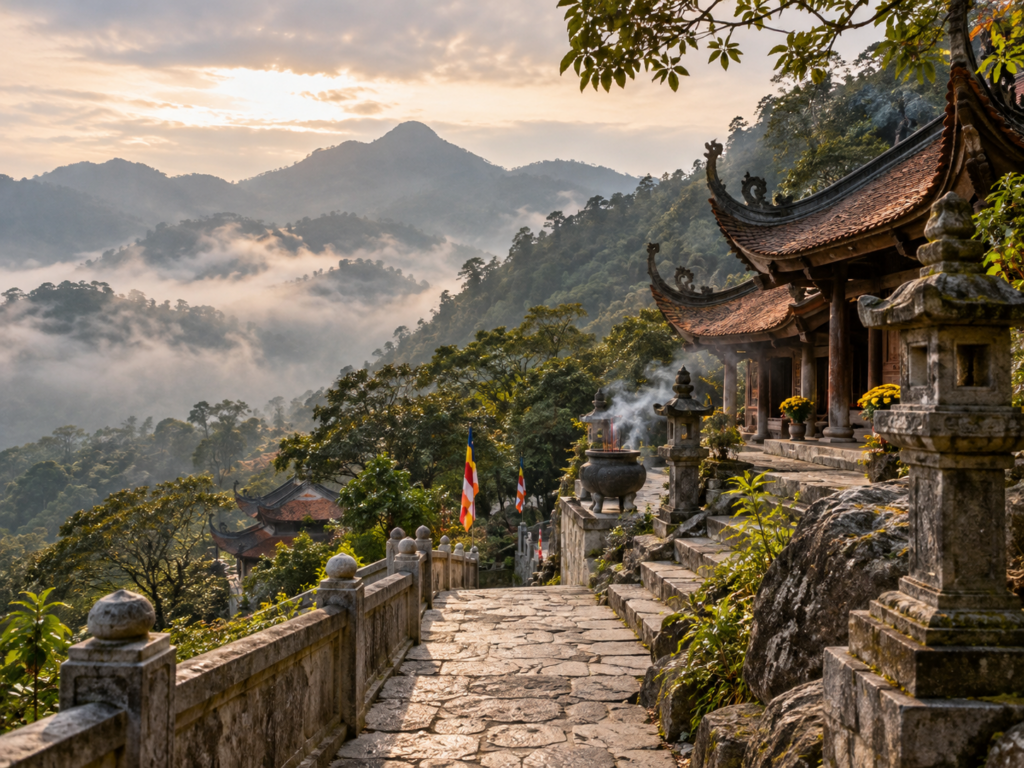
Vietnam’s newest UNESCO World Heritage Site brings together sacred mountains, ancient pagodas, temples, and historic landscapes associated with Truc Lam Zen Buddhism.
Rooted in the spiritual traditions of the Tran Dynasty, this remarkable complex reflects centuries of Vietnamese Buddhist philosophy, cultural identity, and the enduring relationship between people and nature.
Oriva’s Tip: Explore Yen Tu’s mountain trails and historic pagodas for a journey that combines natural beauty with spiritual heritage.
Beyond the Landmarks: Discover Vietnam’s Living Heritage
Vietnam’s UNESCO World Heritage Sites are more than extraordinary places to visit. They are gateways to the stories, traditions, and landscapes that have shaped the country across centuries.
From the limestone peaks of Ha Long Bay to the ancient temples of My Son and the sacred mountains of Yen Tu, each destination invites travelers to look beyond what they see and discover what makes it meaningful.
At Oriva Journeys, we believe the most memorable journeys are shaped by authentic connections with the people, culture, and natural beauty of each destination.
Explore Vietnam’s Heritage with Oriva Journeys.
Journeys to the Origin.